

 Facebook
 X
 Pinterest
 Copy Link
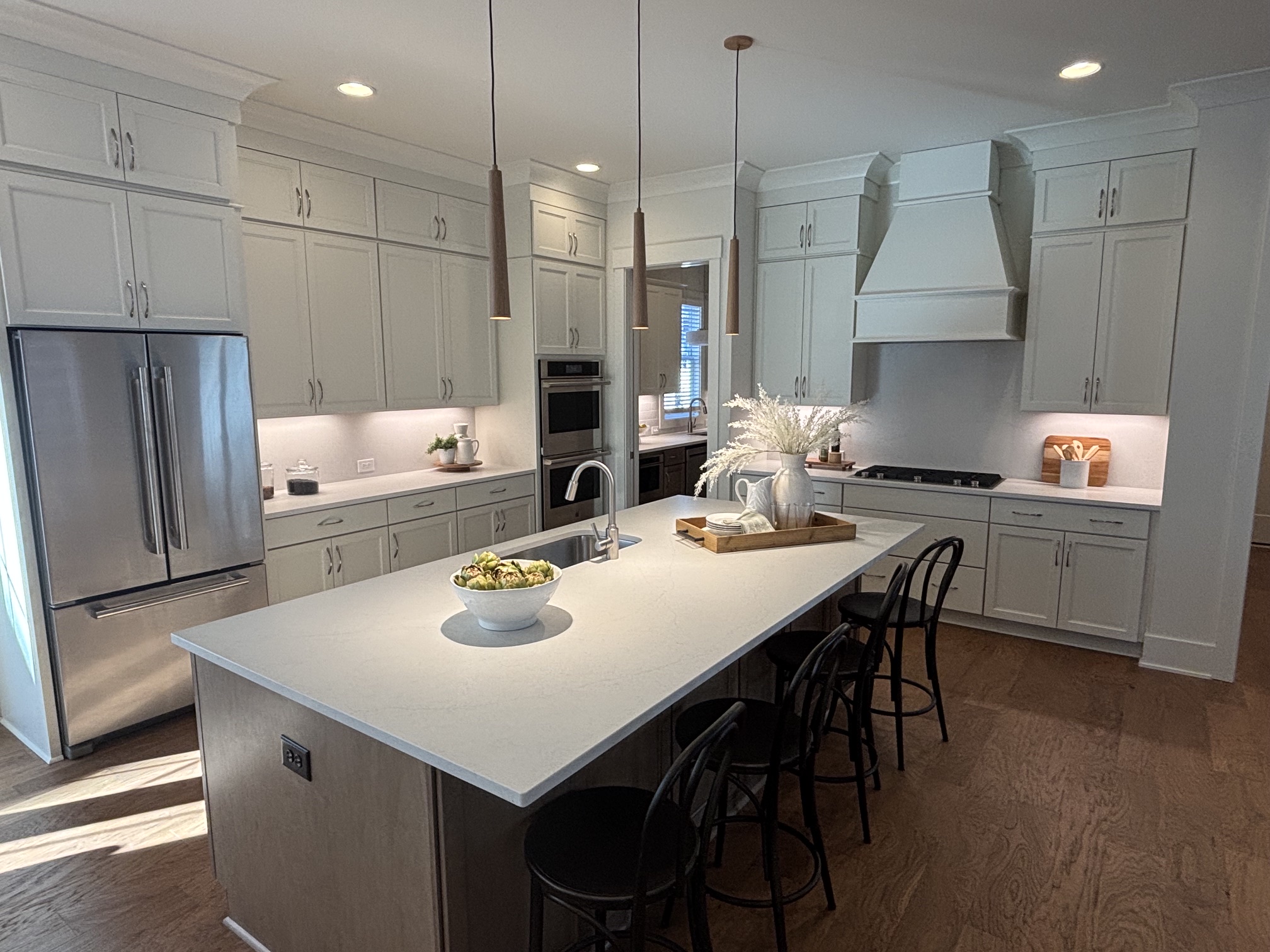
Many buyers assume that buying directly from a builder means they don’t need their own agent or that they will get some discount from the builder. The home is new, the model homes look great, and the builder’s sales team is right there to answer questions.
People need to remember that the sales team, as friendly as they are, represent the interest of the Builder.
Having a Buyer’s Agent gives you someone whose responsibility is to protect your interest. I have seen buyers get themselves into binds by jumping into the process without thinking it through. “The incentives were too good to pass up”. Well that’s nice, except now you have a 3-5% deposit given to the builder and no leverage when something surprises in the process. An experienced agent will help prepare you for what to expect.
Call Your Agent First — Before You Visit
This is the biggest mistake buyers make. “I don’t want to waste my agents time, I’ll just go scope it out first”.
Most builders require your agent to accompany you or register you during your very first visit in order for the builder to pay most or all of your agent’s commission. If you walk in alone and decide you want representation later, the builder may refuse to compensate your agent’s commission.
Call your agent before you go. Let them schedule the appointment or go with you from the start.
And in today’s market, many builders still offer buyer’s agent compensation which is typically 2.5–3%. That means professional representation is often available at little to no direct cost to you. So why would anyone ever go without an agent? It’s like defending yourself in the court of law by working directly with the prosecutors. No one would ever do that.
Local Knowledge Matters More Than a Pretty Model Home
A model home is designed to sell you on the community, but an experienced agent helps you see the bigger picture:
- Is this community priced fairly compared to nearby neighborhoods?
- Are competing builders offering similar homes for less?
- Is the area growing in ways that support future home values?
- Are the amenities sized correctly for the number of homes in the community?
- Are there upcoming developments that could affect the neighborhood — positively or negatively?
A home isn’t just a floor plan. It’s location, schools, commute times, and long-term potential.
Also, what’s your current situation? Still renting and throwing away around $35,000 per year with rent costs ($2,000/month) plus potential equity growth of the new $400,000 home (approx. $10,000 per year) over the next 5-10 years? That’s $175,000 in 5 years to $350,000 dollars in 10 years you’ll never see again.
Builder Reputation — Beyond Online Reviews
Online reviews only tell part of the story. An agent who regularly works with new construction has firsthand experience with multiple builders. How they communicate, how they handle warranty issues, whether they finish on schedule, and how satisfied buyers are after move-in. Focus on the local and not the national with reviews.
That kind of insight doesn’t show up in marketing materials.
Knowing What to Look For
Every builder has strengths, weaknesses, and different building practices. Some include features that others charge extra for. Others advertise low base pricing, but they require significant upgrades to match the model home look.
An agent familiar with new construction can help you spot:
- What’s standard vs. what’s an upgrade
- Where builders tend to cut costs
- Which structural options are worth considering
- How your choices affect future resale value
Guidance Through the Design Center
Personalizing your home is exciting — and it’s one of the easiest places to blow your budget.
Upgrades worth doing during construction (much cheaper now than later):
- Additional electrical outlets and prewiring
- Enhanced lighting layouts
- Structural changes and covered patios
- Extra insulation and plumbing rough-ins
Upgrades that can wait until after closing (often cheaper or more customizable later):
- Decorative light fixtures and cabinet hardware
- Interior paint and accent walls
- Landscaping and backsplashes
- Closet organization systems
Knowing where to spend and where to save makes a real difference.
An Advocate Through the Entire Process
Builders build homes every day. Agents work with builders all the time. Most buyers only do this once or twice.
Having an experienced agent means having someone who can explain contracts, compare builders, recommend inspections, evaluate pricing, and help you make informed decisions every step of the way.
The Bottom Line
Buying new construction isn’t just about picking a floor plan and finishes. It’s about understanding the builder, the neighborhood, the contract, and the long-term value of your investment.
When professional representation is often available without paying out of pocket, there’s very little reason to go it alone.


